Research Direction and Support, Precision Agriculture and Technology
Navdeep Singh
Principal Investigator
Clarissa Getigan
Co-Investigator
Dr. Juan-Marcelo Gómez
Supervisor
This project explored the transformative potential of Variable Rate Technology (VRT) in advancing sustainable agriculture amid growing environmental pressures. The central objective was to quantify greenhouse gas (GHG) emission reductions by assessing VRT’s effectiveness in optimizing resource use and minimizing carbon footprints. Particular emphasis was placed on small-scale farming operations cultivating high-yield, widely grown crops.
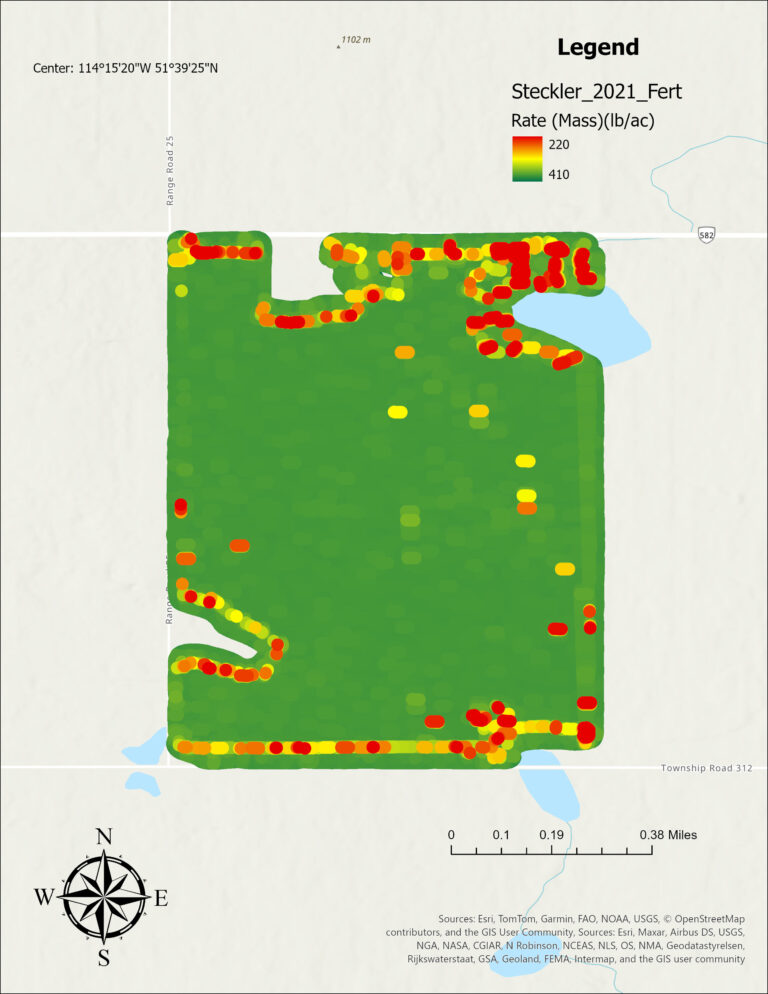
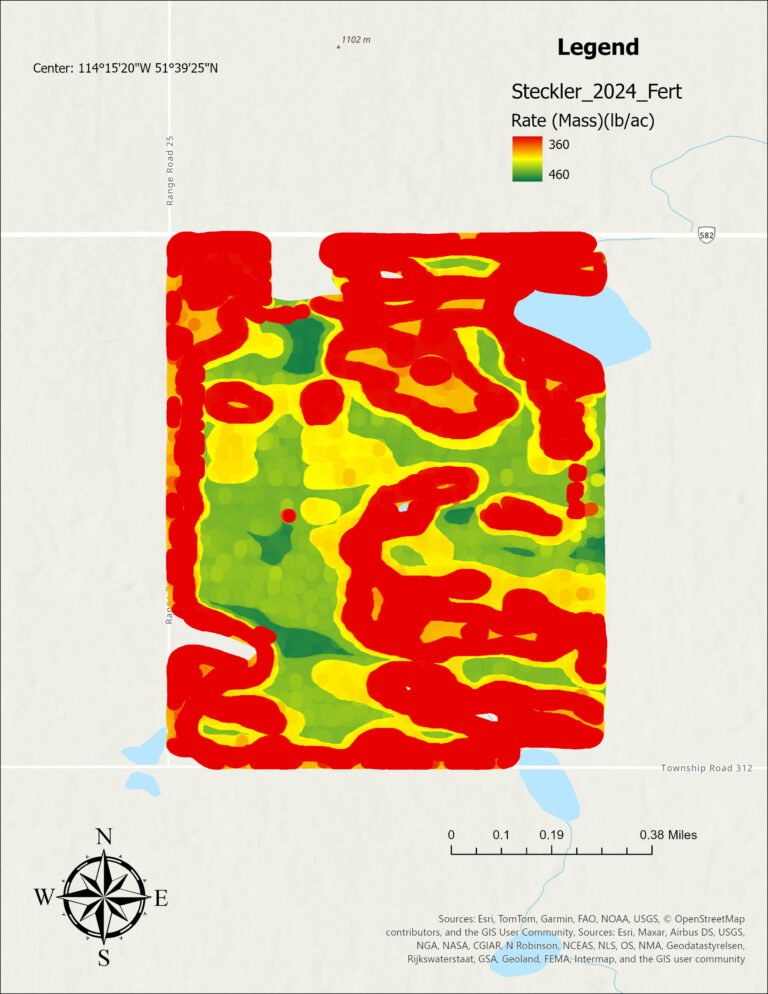
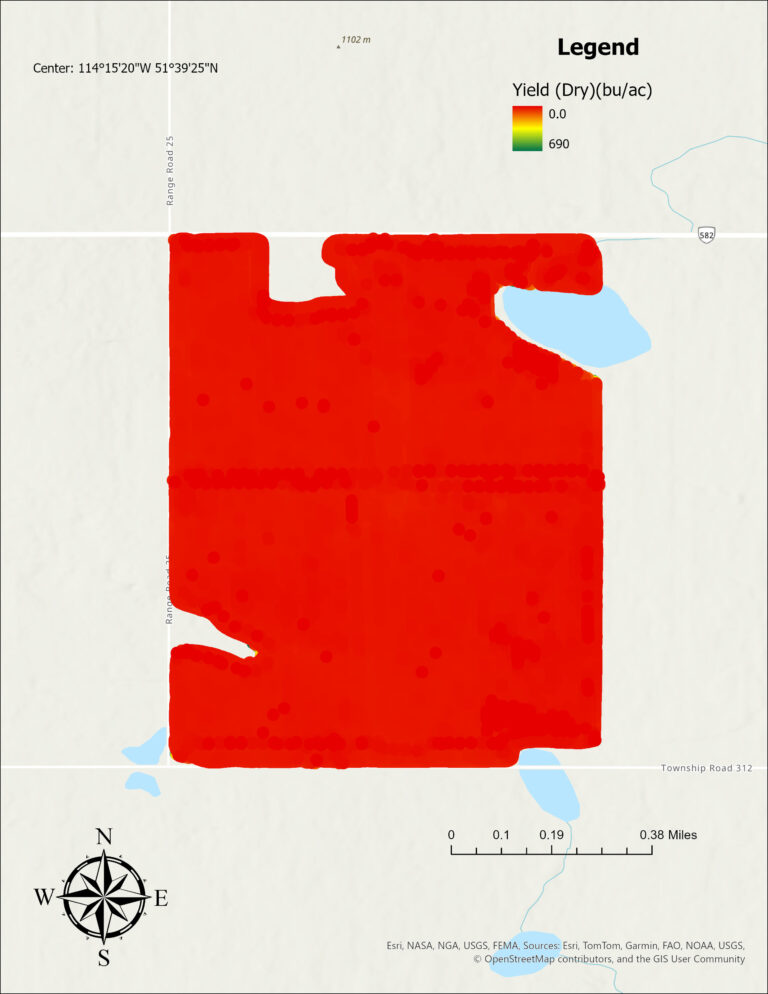
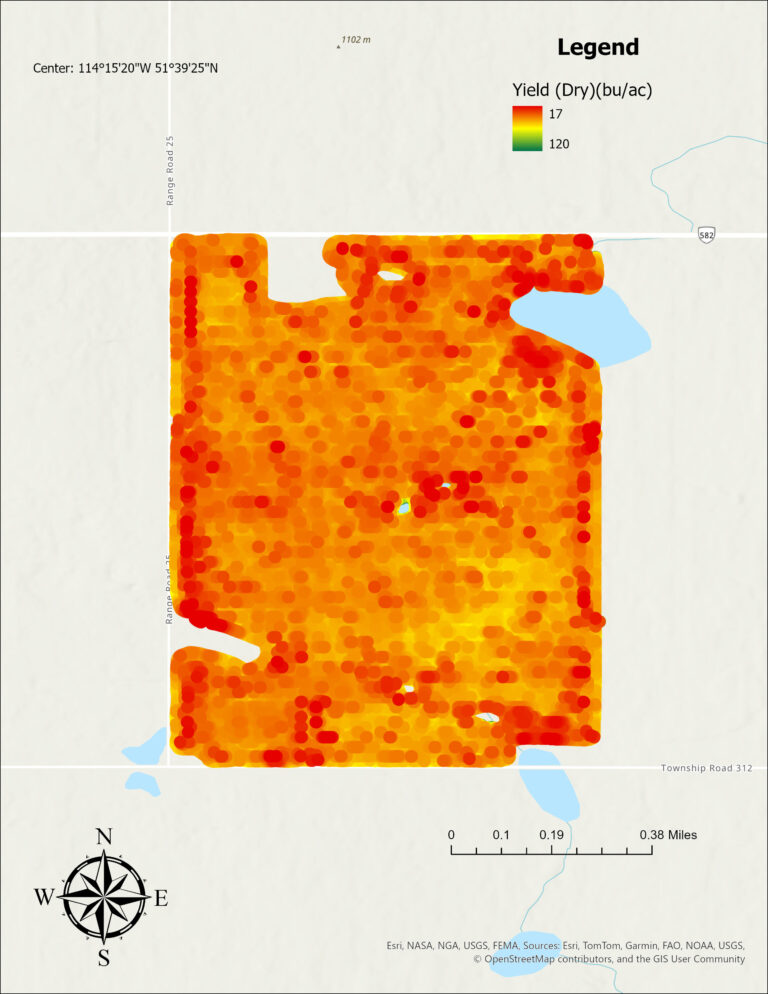
To evaluate VRT’s performance, a comparative case study contrasting variable-rate and conventional agricultural practices was conducted. The analysis focused on environmental and economic outcomes across the production lifecycle. By leveraging remote sensing and GIS technologies, the project demonstrated how VRT can tailor inputs to specific land conditions, significantly reducing environmental impact while enhancing profitability.
The findings support the development of policies that encourage the adoption of VRT among small-scale producers, helping them become more sustainable and resilient in the face of climate-related challenges. The research also promotes cross-sector knowledge exchange, offering valuable insights to farmers, policymakers, and agribusiness leaders alike.
Ultimately, this project highlights VRT as a critical enabler of climate-smart agriculture and a catalyst for impact-driven investment. By aligning economic growth with environmental stewardship, the findings offer strong evidence that VRT can help build resilient, low-emission agricultural systems. This research contributes to a more sustainable future by equipping producers with the data-driven tools needed to optimize inputs, improve yields, and reduce their ecological footprint.